Trust This. | By Joseph E. Seagle, Esq. | 👋 Happy Friday! Today is National Encourage a Young Writer Day. I began keeping a journal in seventh grade, which eventually led me to become the co-editor-in-chief of my high school newspaper for two years, a copy editor for my college's daily newspaper, publisher of a college quarterly literary journal, and ultimately to law school and my career, where writing plays a vital role every day. Writing can start at a young age and lead to great things. | ❗️Situation Awareness: TOMORROW — it’s time for our day-long workshop on asset protection for business founders and real estate investors. Join us in Sarasota for a day of knowledge and planning. |
|
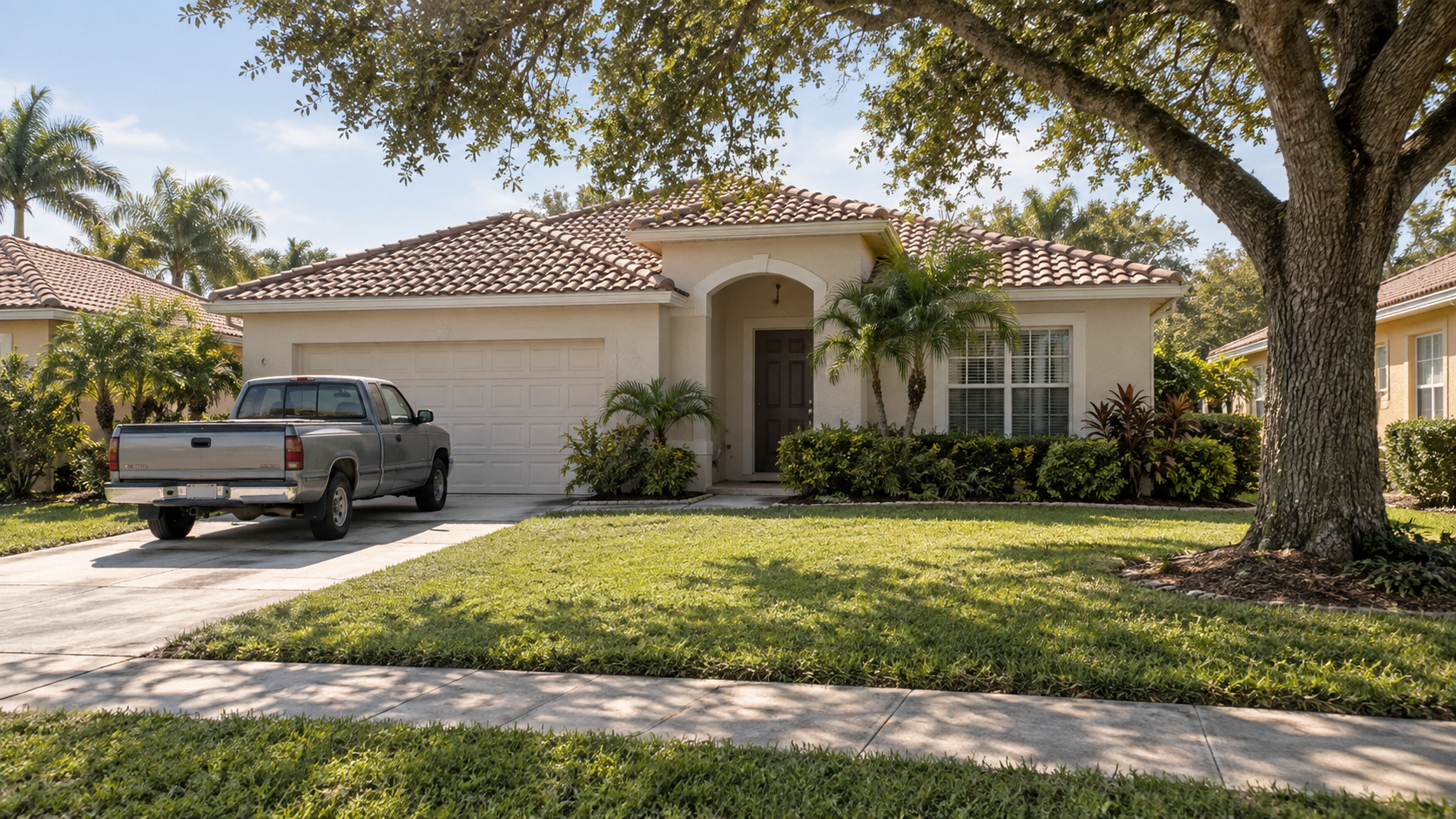
| | 1 big thing: Wrong people own the wrong homes | | A new Redfin analysis reveals a structural imbalance in the U.S. housing market: empty-nest baby boomers own 28% of large (3+ bedroom) homes, while millennial families—the largest group of parents—own just 16%. | That gap is even more striking when you include multi-adult boomer households, pushing their control of large homes to roughly 35% of the inventory. | Why it matters: | The people who need space (young families) can’t access it, while those who have space (empty nesters) can’t or won’t move. | Florida markets—especially Orlando, Tampa, and Miami—are ground zero for this imbalance. | Vision: A delayed inventory wave is coming | This isn’t permanent. It’s a timing problem. | Two forces are building: | The mortgage lock-in effect is easing, which could push more Boomers to sell Affordability is slowly improving, allowing Millennials to re-enter the market
| But here’s the friction point: Boomers don’t have anywhere appealing to go. | There’s a shortage of smaller, single-story, age-friendly homes, which keeps them anchored in larger properties. | Translation: inventory isn’t frozen—it’s bottlenecked. | Traction: Where smart operators move now | If you’re in Florida real estate, development, or lending, this is actionable: | Build or acquire downsizing inventory Think villas, one-story homes, and low-maintenance communities near amenities. Target “equity-rich but stuck” sellers Nearly 58% of boomers own their homes outright, meaning they’re not financially pressured to move. Position as a transition advisor, not just a broker This is emotional and logistical, not just transactional. Watch secondary markets Florida suburbs will feel this shift before urban cores. Invest in home services companies Past experience has been that — when people can’t or won’t move — homeowners will spend more to maintain, renovate, and repair their current homes — a boom for plumbers, HVAC techs, electricians, pressure washers, painters, carpet cleaners, landscapers, and everyone else who keeps homes comfortable.
| People / Process / Data: The generational choke point | The data is blunt: | Millennials are the largest generation of parents Gen Z barely registers in large-home ownership (under 1%) Over 25% of millennials are sidelined by mortgage rates
| This isn’t just a housing issue—it’s a labor mobility, family formation, and economic growth issue. | The takeaway for Florida entrepreneurs and professionals | If you’re advising clients—or investing yourself—this is the play: | The next inventory surge won’t come from builders alone It will come from unlocking existing homes And that unlock depends on solving the downsizing problem
| For attorneys, brokers, and financial advisors, this creates opportunity in: | Estate and transition planning Trust and asset restructuring Advisory-driven real estate services
| What’s next | Watch for: | Policy incentives for downsizing or aging-in-place alternatives Increased development of “missing middle” housing A gradual—but uneven—release of large-home inventory
| The bottom line: This isn’t a housing shortage—it’s a housing misallocation. | And whoever solves that mismatch first in Florida will capture the next wave of wealth creation. |
|
| | 2. Crypto-backed mortgages move into the mainstream | | Crypto-backed mortgages just moved from fintech experiment to mainstream housing finance — and that could matter in Florida faster than many lawyers, lenders, and practice owners expect. Better and Coinbase say they are launching the first conforming crypto-backed mortgage product accepted under Fannie Mae standards, letting eligible borrowers pledge Bitcoin or USDC to fund a down payment without selling those holdings. Until now, Fannie Mae’s published guidance generally required virtual currency to be converted into U.S. dollars before it could count for down payment, closing costs, or reserves. | Why it matters: This is not “buy a house with crypto” in the loose, hypey sense. It is a traditional Fannie-eligible first mortgage paired with a separate loan secured by pledged crypto. The appeal is obvious: borrowers keep market exposure and may avoid triggering a taxable sale just to raise cash for the down payment. The catch is just as real: miss payments for 60 days and the pledged crypto can be liquidated. | The Florida angle: Florida remains one of the country’s most active housing markets, but affordability is still tight. In February, statewide median single-family sale price was $412,000, median time to contract was 59 days, and active listings topped 103,000. At the same time, the average 30-year mortgage rate just jumped to 6.38%, the highest level in more than six months. That means crypto-backed mortgages may find their earliest traction not with median buyers, but with higher-income entrepreneurs, tech founders, physicians, lawyers, and investors who are asset-rich in crypto and cash-constrained on liquidity. | What business owners should watch: For Florida entrepreneurs and professional practices, this is less a consumer novelty than a balance-sheet development. Owners who hold meaningful digital assets now have another financing path, but it adds collateral risk, valuation volatility, documentation issues, and lender-specific underwriting complexity. It also raises planning questions for estate lawyers, tax advisors, divorce counsel, and asset-protection attorneys: who owns the wallet, how is custody documented, what happens on default, and how should pledged crypto be treated in trusts, prenups, or practice succession planning? Those are not side issues; they are the file. | Bottom line: This is a niche product today, not a mass-market revolution. But in Florida’s mix of real estate wealth, entrepreneurial liquidity pressure, and crypto enthusiasm, it is exactly the kind of niche that can get big in a hurry. The next thing to watch is whether Freddie Mac follows, whether more coins are approved, and whether lenders bring this product down-market or keep it aimed at affluent borrowers. |
|
| | | This week’s Trust This podcast is a replay of our episode about “living probate” — what it means and why it’s important to have all those documents in place should you become incapacitated. We always prepare for the ending, but what happens if the story isn’t over and you’re no longer able to continue writing it on your own? | Listen in or watch on your favorite streaming platform. |
|
| | 3. Homestead protection ≠ homestead exemption | | Many Florida homeowners mistakenly believe their home isn’t protected from creditors unless they’ve filed for the homestead tax exemption with their county property appraiser. That misunderstanding can lead to unnecessary panic—and poor legal decisions. | Nothing about the law has changed—but the misconception persists. Florida’s constitutional homestead protection is separate from the tax exemption process handled by your county property appraiser. | The key distinction: | There are two completely different “homesteads” in Florida: | Homestead tax exemption Filed with the county → reduces property taxes Homestead protection (creditor protection) Comes from the Florida Constitution → protects your primary residence from most creditors
| They are related in concept—but legally independent. | How homestead protection actually works: | You may qualify for creditor protection if: | The property is your primary residence The property is a half acre or less inside city limits or under 160 acres if located outside of the city limits in the unincorporated county You have the intent to permanently reside there You are a natural person (not an entity owner)
| That’s it. No application required. | Key takeaway: | Failing to file for the tax exemption does not mean your home is exposed to creditors. | However, filing for the exemption can be helpful evidence if your homestead status is ever challenged. | Common mistake: | We often see clients assume: “I didn’t file my homestead exemption with the property appraiser, so a judgment creditor can take my home.” | That’s simply incorrect under Florida law. | Bottom line: | Florida’s homestead protection is one of the strongest asset protection tools available. It exists whether or not you filed paperwork with the property appraiser—but you should still align both for clarity and documentation. | Go Deeper: Aspire Legal Solutions |
|
| | Advertisement: | | What If You Could See Your Health Before It Becomes a Problem? | We spend so much time reacting to health issues … but what if you could get ahead of them? I’ve been using the Function Health app, and it’s one of the most powerful tools I’ve seen for taking control of your health through data. Their platform combines advanced biomarker testing with AI-driven insights to give you a clear, personalized roadmap for nutrition, exercise, supplements, and early disease detection and prevention. | This isn’t generic advice—it’s built around your actual biology. If you’ve ever wondered what’s really going on under the hood, this is the closest thing I’ve found to having a proactive, data-driven health strategy. | 👉 Get started here and take $25 off your annual subscription. | 🎥 And if you want a deeper look at how functional medicine and AI are changing the game, I sat down on the Trust This podcast with Dr. Somji to break it all down. Bottom line: the future of health isn’t reactive—it’s predictive. This is how you get there. | | 4. Decision bottlenecks destroy growth |  | The only bottleneck at The Windmill Bar in St. John last week was the one on top of a Corona with a lime sticking out of it. This was our view from there. |
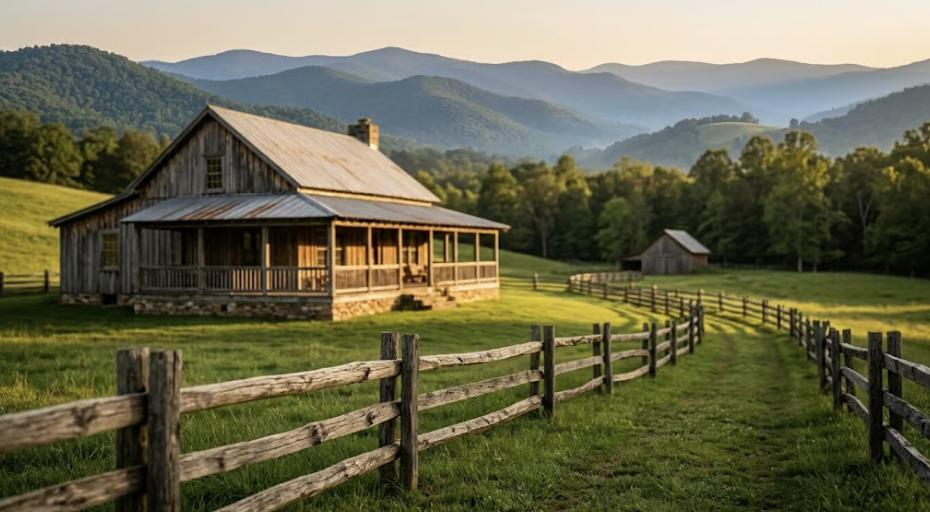
| Entrepreneurs often overanalyze low-risk choices while under-structuring high-stakes decisions. The result? Slower execution, weaker traction, and burned-out leadership teams. | Jeff Bezos’s “one-way vs. two-way door” framework offers a powerful lens for improving leadership, accountability, and business growth. | 🚪 One-Way Door Decisions: Protect Your Vision | These are high-impact, hard-to-reverse decisions that shape the future of your company: | Equity structure or major partnerships Key leadership hires or exits Entering new markets or product lines
| EOS takeaway: These decisions belong at the leadership level and should align with your Vision and long-term strategy. | How to handle them: | Slow down and gather data Debate with your leadership team Tie decisions to your V/TO (Vision/Traction Organizer) Ensure accountability for execution
| These are your “Rocks”—they deserve focus, time, and clarity. | 🔄 Two-Way Door Decisions: Drive Traction Through Speed | These are reversible, low-risk decisions that keep your business moving: | Marketing tests and pricing adjustments Vendor changes or software tools Internal process improvements
| EOS takeaway: These should be pushed down into the organization to build accountability and speed. | How to handle them: | Decide quickly with imperfect information — 70% right is better than 0% chance taken Empower team leaders to act Encourage experimentation and iteration
| ⚡ The Shift That Unlocks Growth | Most small businesses stall because they treat every decision like a one-way door—creating bottlenecks and killing momentum. | Instead: | Filter decisions: Is this reversible? What’s the cost in money, lost customer satisfaction, or loss of trust if we’re wrong? Reserve leadership time for true one-way doors Let your team own and execute two-way doors
| Bottom line: If you want real traction and scalable growth, stop overmanaging the small stuff. Protect your focus for the decisions that define your business—and let your team run fast everywhere else. |
|
| | We hope you found this helpful — any feedback is appreciated and can be shared by hitting reply or using the feedback feature below. | Was this email forwarded to you? Subscribe here. Have an idea or issue to share? Email us. Connect with us using your preferred social media and website links for MyLandTrustee and Aspire Legal Solutions. My Land Trustee mailing address: PO Box 547945, Orlando, FL 32854-7945 Aspire Legal Solution mailing address: PO Box 547934, Orlando, FL 32854-7934 Our physical address: 1901 West Colonial Drive, First Floor, Orlando, FL 32804
| Be on the lookout for our next issue! 👋 |
|
|
|